Joints
Joints
Universal joint 
The key points about a universal joint:
- A universal joint allows a drive shaft to transmit torque even when the driving and driven shafts are not aligned.
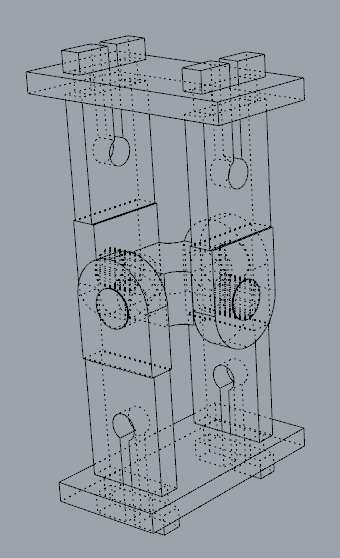
- It consists of a pair of transverse yokes connected in a cross shape by a shaft supported in bearings between the yoke legs.
- This cross-shaped arrangement allows the shafts on each side of the universal joint to be angled, yet allowing torque to pass through.
- Common applications include cars, where universal joints are used in the driveshaft to transmit power from the transmission to the wheels even as the drive shaft bends and slides during turns.
- They allow angular movement/misalignment between two shafts, compensating for automotive suspensions and chassis flexing/bending movements.
- The sliding yoke design with needle/roller bearings allows relative rotation between the yokes, letting torque pass-through across a range of joint angles.
- In engineering, a universal joint enables motion or power transfer where the connection has two or more degrees of freedom between the driving and follower components.
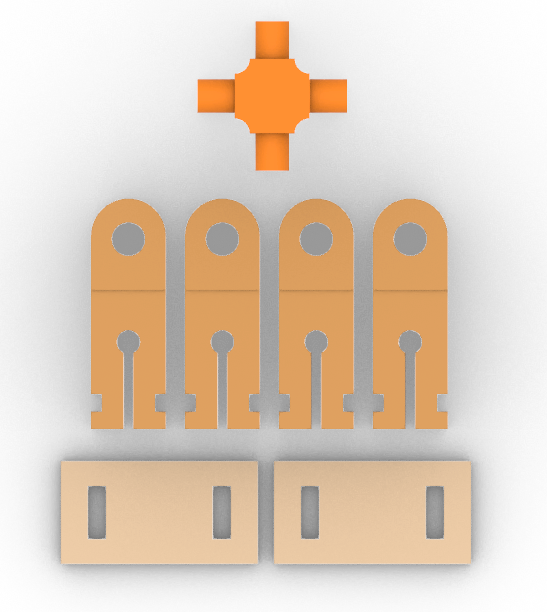
The Release buckle can be used for easier mounting of the joint