Joints
Joints
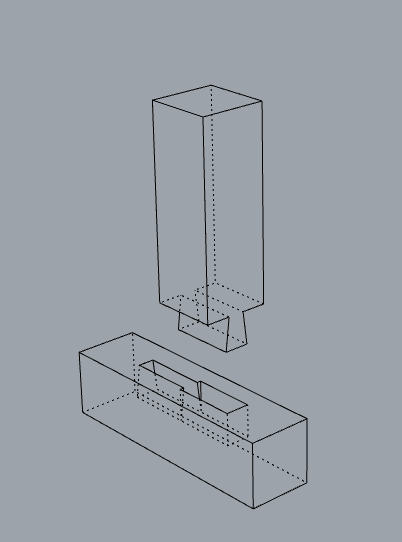
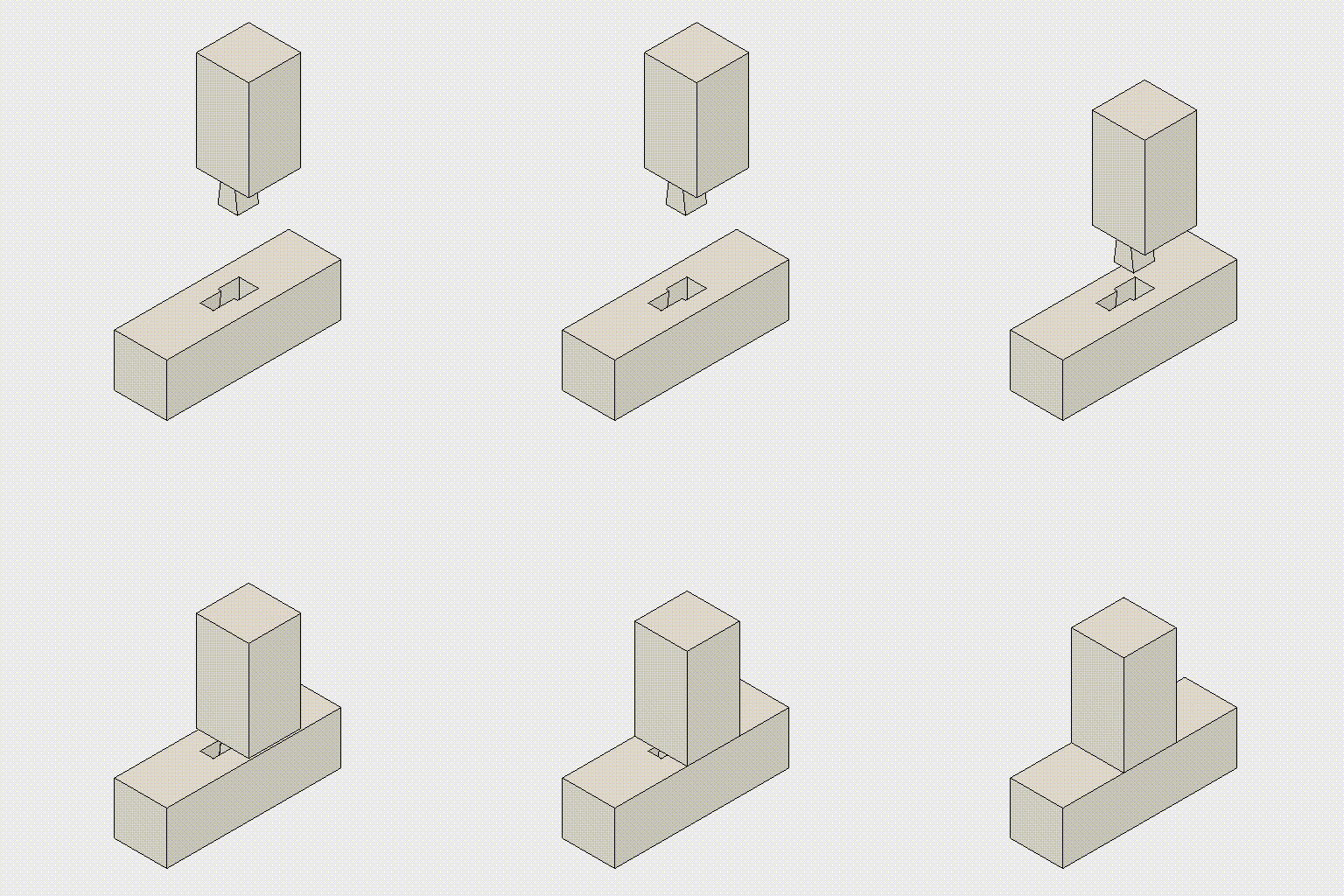
Yose-ari-hozo-shikuchi 
Yose-ari-hozo-shikuchi wooden joinery technique:
- Yose means "joining" or "connecting"
- Ari means "existing" or being placed
- Hozo refers to a woodworked, tapered shape (like a wedge or spline)
- Shikuchi means an angled or intersecting joint
To form this joint:
- Two wooden pieces are prepared to meet at an angled intersection, such as mitered.
- A precisely tapered "hozo" spline/wedge is cut from wood of the same type and grain direction.
- The hozo is sculpted with interlocking "teeth" or tabs along its length.
- The hozo piece is positioned to bridge the angle between the two wood connections.
- It is gradually "yosed" or joined/connected by carefully inserting its tabs.
This traditional Japanese technique uses a toothed wood spline elegantly and securely yose-ari or "connecting to exist" between mitered wood members at the shikuchi joint.
Even without glue, the grain-matched hozo spline's interlocking teeth hold the angled intersection rigidly through fine woodworking joinery skill.