Joints
Joints
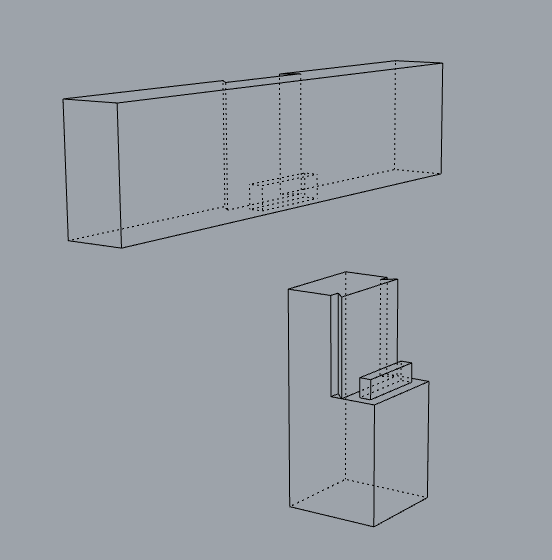
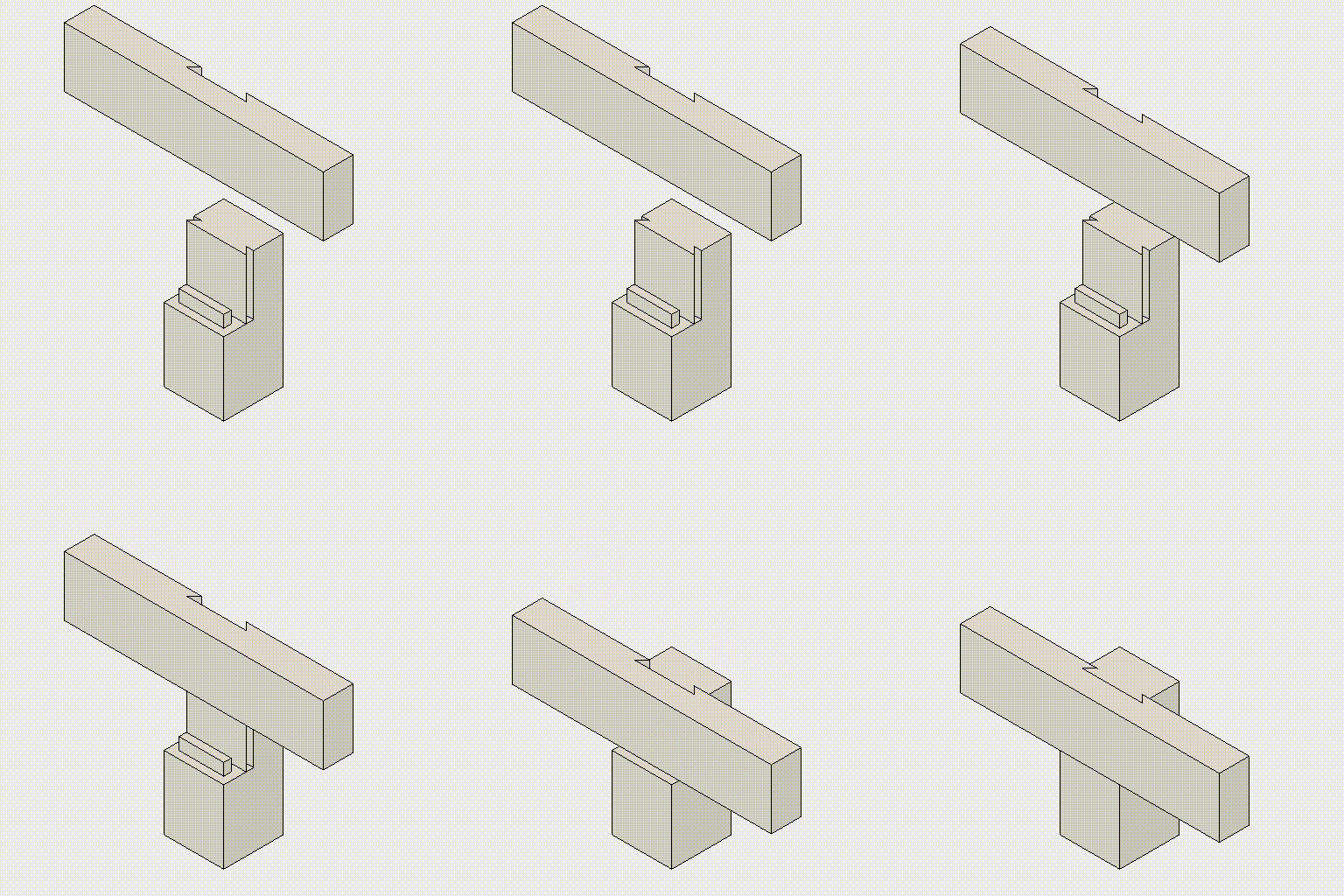
Suitsuki-sashi-shikuchi 
Suitsuki-sashi-shikuchi wooden joinery technique:
- Sui means "water" and tsuki means "to insert", together meaning a thin inserted piece like a spline.
- Sashi refers to interlocking or fitting pieces together.
- Shikuchi means an angled or intersecting joint.
To form this joint:
- The ends of two wooden pieces meeting at an angle are prepared, such as mitered.
- A thin, wedge-shaped spline is cut to fit precisely at the mitered joint line.
- The spline is sculpted with interlocking "teeth" or tabs along its length following the wood grain.
- It is carefully inserted like water flowing into the joint line, with teeth engaging both pieces.
This traditional Japanese technique uses a toothed water-like spline to reinforce the strength of angled joins.
Even without glue, the interlocking spline securely binds the mitered wood pieces at the shikuchi intersection through mastery of grain-matched contacts.
The suitsuki-sashi-shikuchi demonstrated refined Japanese woodworking craftsmanship through delicate yet robust spline reinforcement of compound angle joints.