Joints
Joints
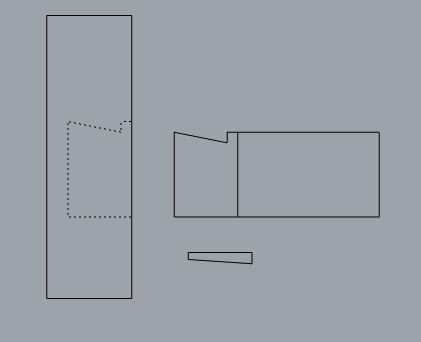
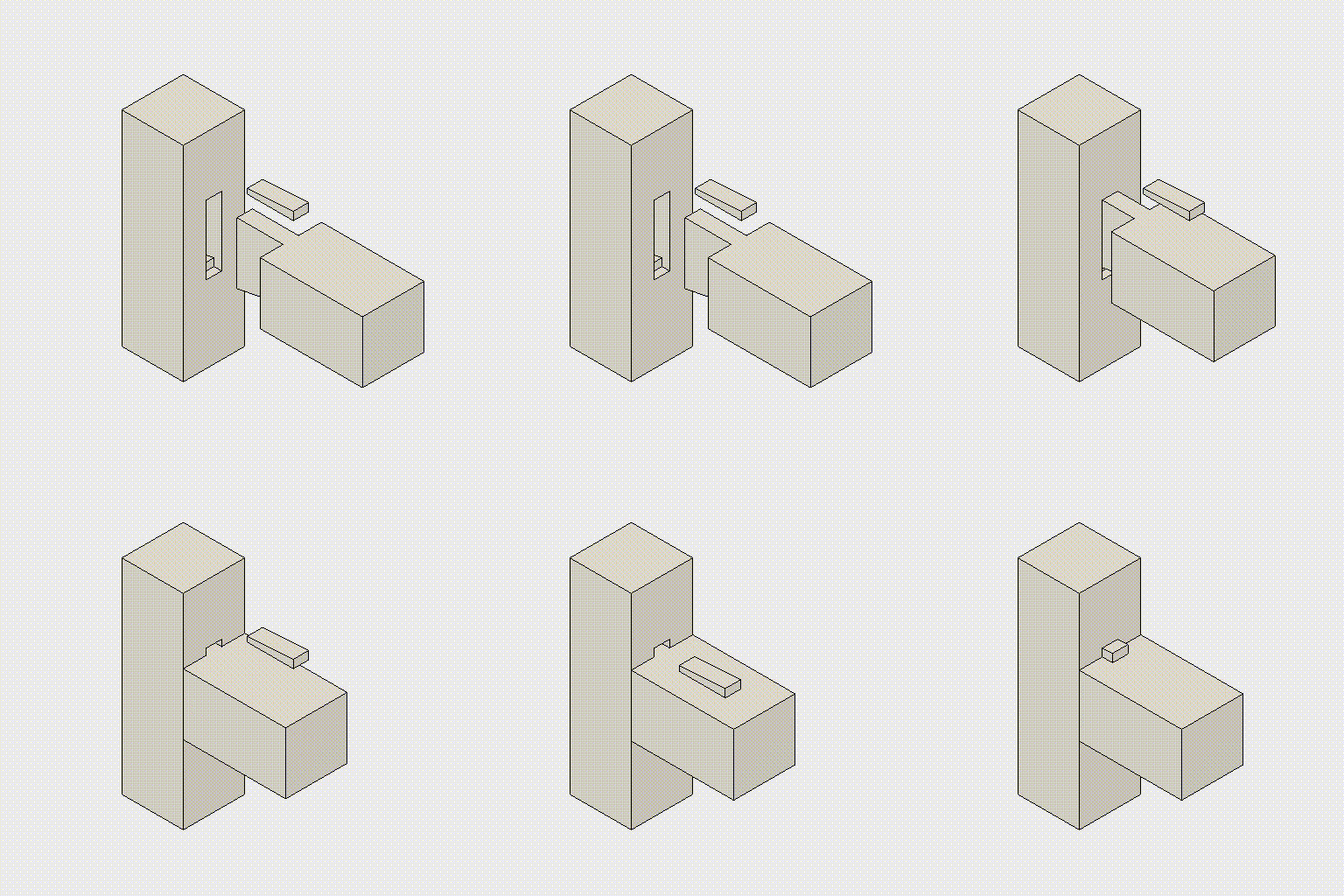
Otoshi-ari-hozo-shikuchi 
Otoshi-ari-hozo-shikuchi wooden joinery can be explained as:
- Otoshi means "dropping in" or inserting
- Ari means "existing" or being placed
- Hozo refers to a woodworked, tapered shape (like a wedge or spline)
- Shikuchi means an angled or intersecting joint
To form this joint:
- The ends of two wooden pieces meeting at an angle are prepared, such as mitered at 45 degrees.
- A precisely tapered spline or wedge shape is cut from a third piece of wood, following the wood grain direction.
- This shaped "hozo" piece is then inserted or "dropped in/otoshi" between the angled ends.
- The spline reinforces the shikuchi/angled joint where the two pieces meet.
Traditionally used in Japanese joinery, it creates a strong winged intersection that can transfer load stresses. Even without glue or fasteners securing it, the wedged hozo piece holds the assembly rigidly.
This technique shows the craftsmanship of traditional Japanese wood joints that leveraged the wood's natural properties for durable structural connections. It remains applicable for high-quality woodworking today.