Joints
Joints
Osaka-jo-otemon-hikae-bashira-tsugi 
Osaka-jo refers to Osaka Castle, known for its wooden architecture.
Otemon means main entrance gate.
Hikae means retractable or movable.
Bashira means pillar or post.
Tsugi means joining method.
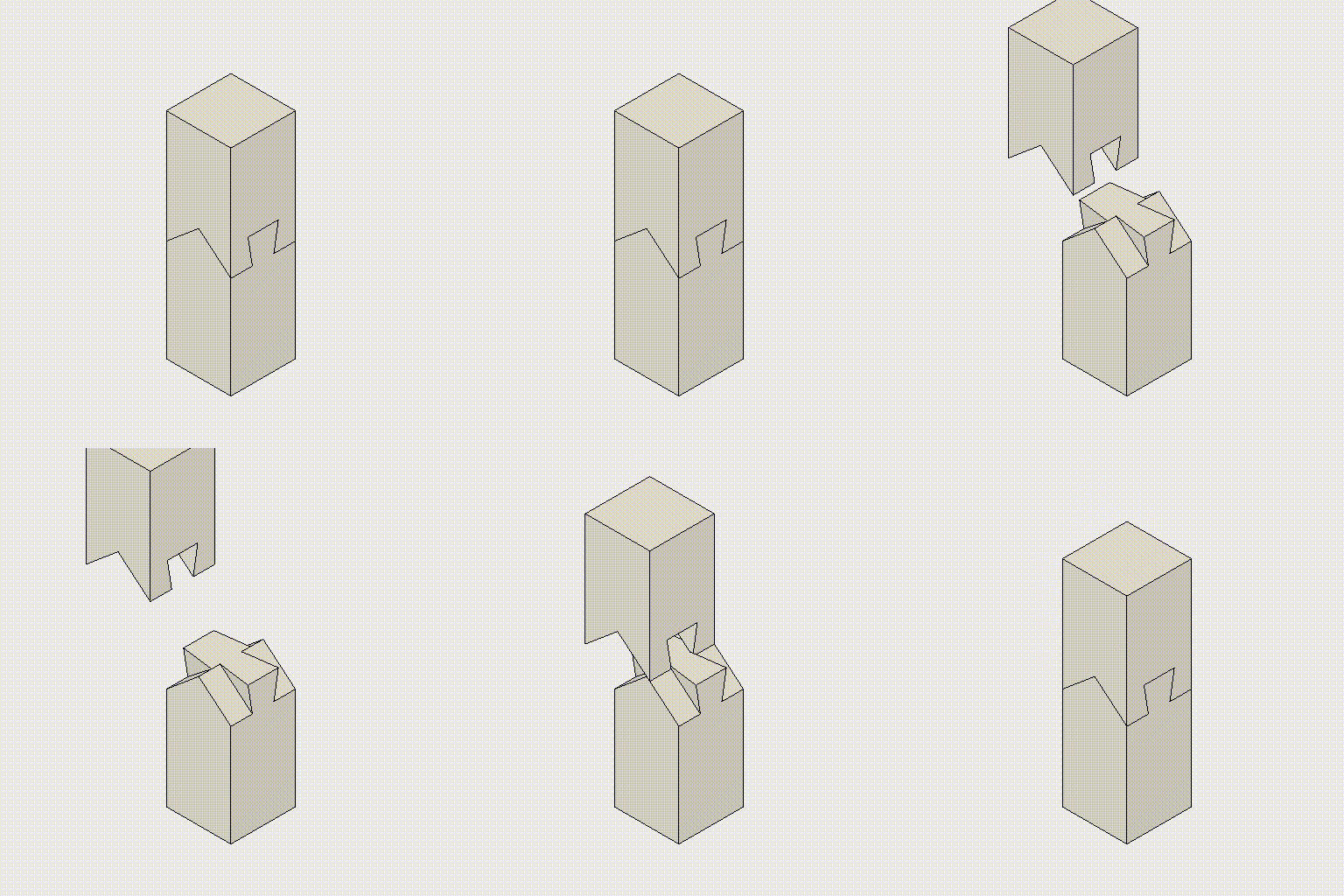
This joint was used at Osaka Castle to create a retractable door system. It connected the wooden support posts/pillars (bashira) that allowed the large entrance gate (otemon) to be opened and closed (hikae).
The pillars were joined using interlocking wedges and slots cut into the post ends following the wood grain.
This created a strong connection that could transfer loads in multiple directions, while also allowing the posts to be separated for access when needed.
By engaging the natural strength of the wood, the joint provided durable yet disassemblable support. It demonstrated advanced woodwork techniques used in Japan's castle architecture.
Even today, the Osaka-jo-otemon-hikae-bashira-tsugi joint serves as an example of the exceptional joinery skills developed in traditional Japanese carpentry.