Joints
Joints
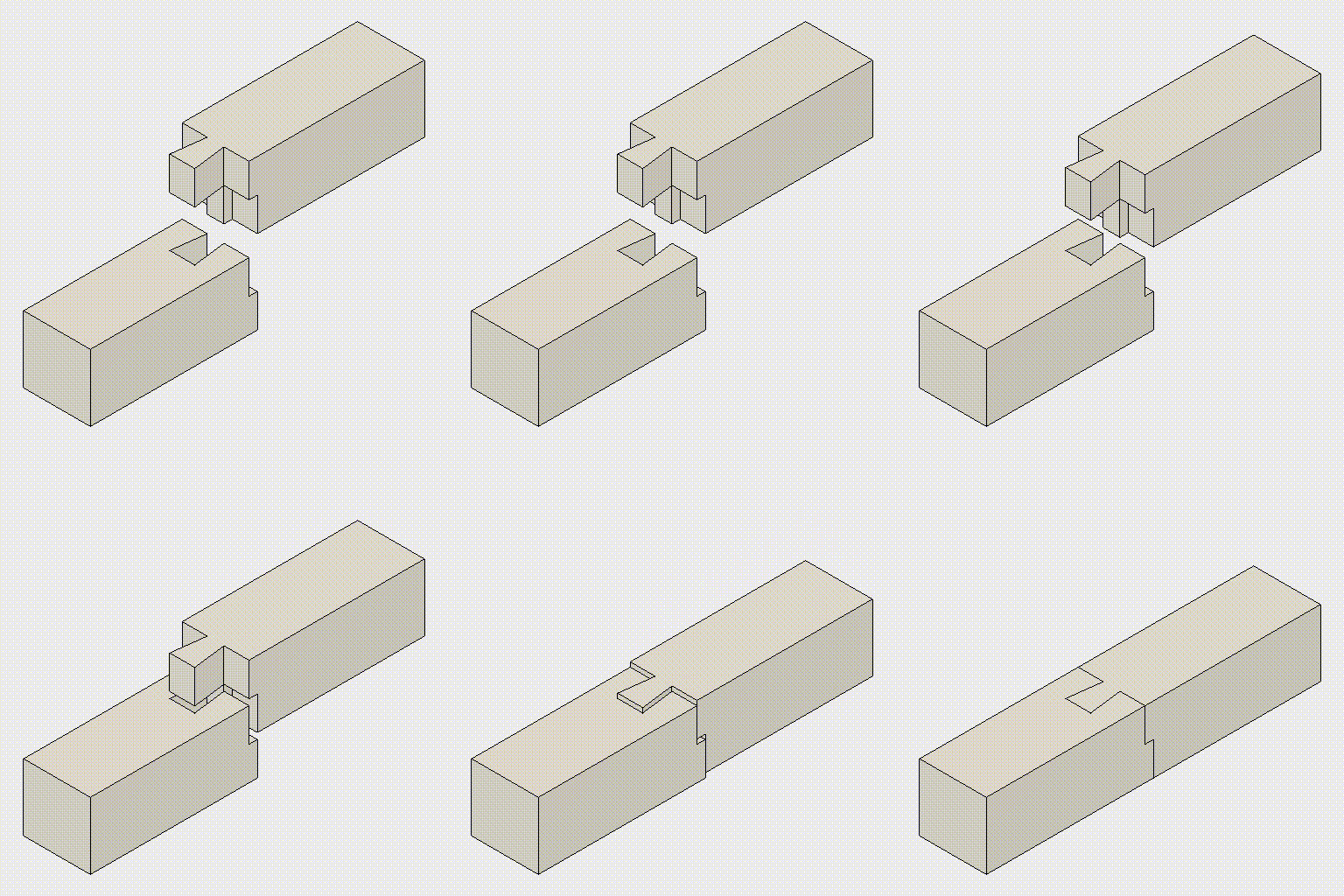
Koshikake-ari-tsugi 
The Koshikake-ari-tsugi is a traditional Japanese wood joinery method used to make strong angled connections between structural members.
Some key details:
- Koshi means wedged or tapered shape. Kake refers to inserting this shape.
- Ari means to exist or be placed between.
- Tsugi means to connect or join pieces together.
To form this joint, the ends of the two pieces are cut at an angled mitre, typically 45 degrees.
A tapered wedge shape is then cut into the mitred edge of one piece, following the wood grain.
This wedge piece is inserted or "kakeshid" into the mitred edge of the other piece.
The result is a secured angle connection between the two members with the wedged tab reinforcing the join.
Traditionally used in timber frame construction, it produces a durable angle without nails while engaging the wood's natural strength.
Even today it remains suitable for woodwork projects requiring strong angled joins that can be assembled and disassembled as needed.